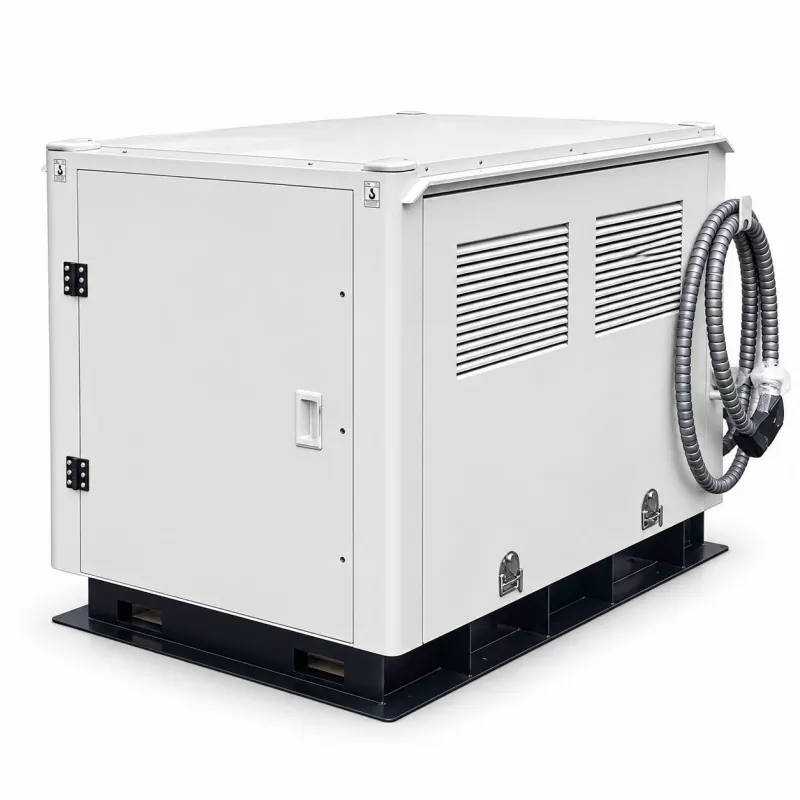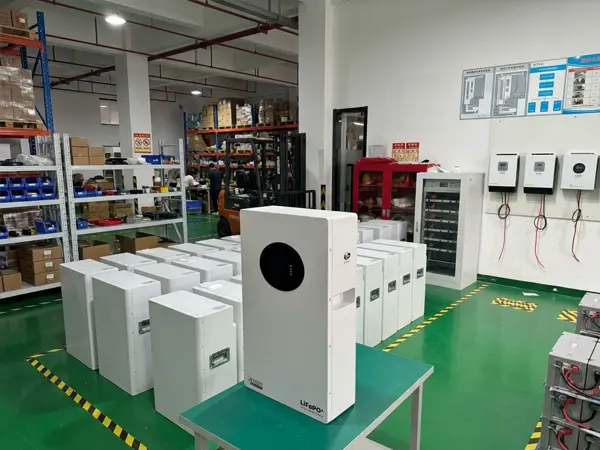
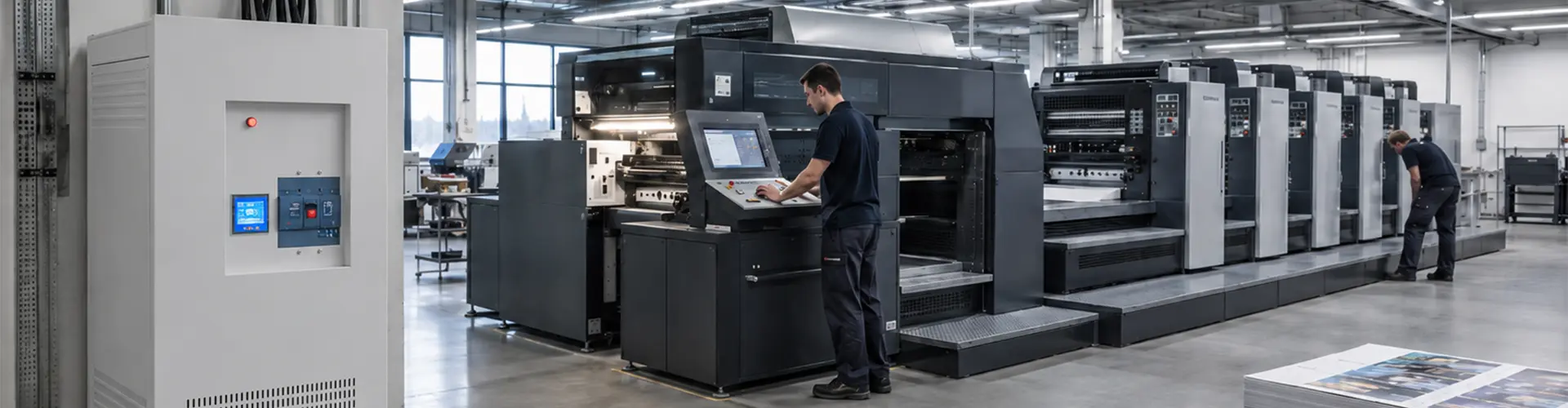
As electric vehicle adoption continues to accelerate, the demand for flexible, reliable, and high-capacity charging infrastructure is growing rapidly. KTAC, a professional power supply and energy conversion solution provider, offers the 200KWh Mobile Energy Storage EV Charging Station, model X200120, to address charging challenges in locations where fixed infrastructure is limited or unavailable. Integrating a 200kWh lithium iron phosphate (LiFePO4) battery, dual GB/T charging outputs, multiple energy replenishment options, and 60kW AC inverter output, this mobile system provides an integrated solution for EV charging, temporary electricity supply, and emergency power applications.
A 200KWh Mobile Energy Storage EV Charging Station is an integrated power solution that stores electrical energy and delivers it to electric vehicles or external AC loads when required. KTAC's X200120 combines 200kWh LiFePO4 battery storage, dual GB/T charging guns, up to 120kW maximum single-gun output, 60kW total AC inverter output, and three charging methods: AC grid input, DC fast charging station input, and photovoltaic input up to 40kW.
Its liquid-cooled battery system, modular architecture, IP54 protection, and multiple electrical safety functions make it suitable for mobile charging services, roadside rescue, fleet operations, temporary charging infrastructure, and solar-assisted energy applications.
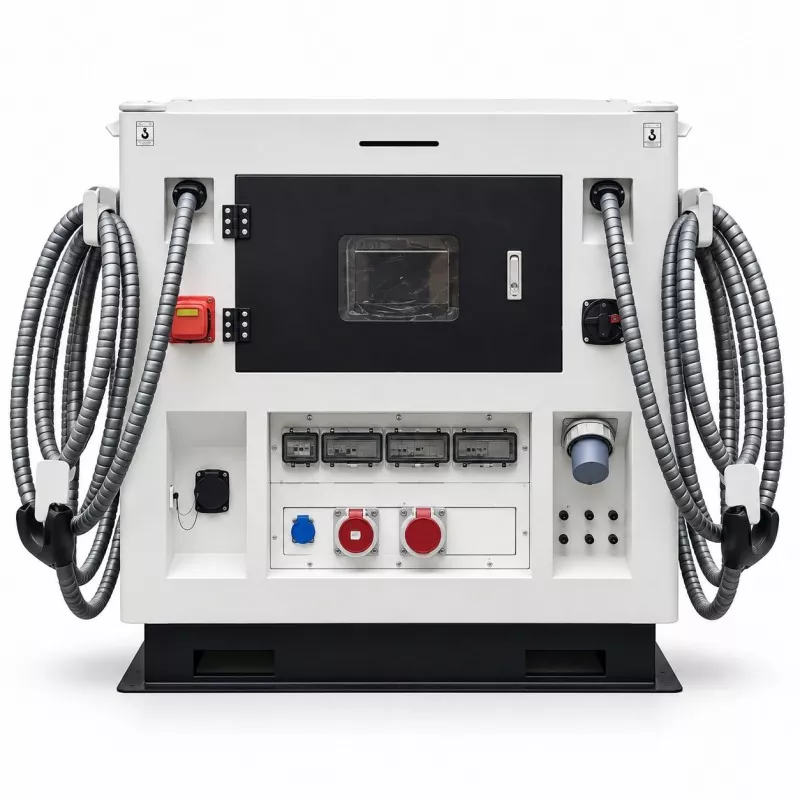
A 200KWh Mobile Energy Storage EV Charging Station is a transportable energy storage and power delivery system designed to provide electric vehicle charging and temporary electricity supply without depending entirely on permanent charging infrastructure.
Unlike conventional EV charging stations that generally require a direct connection to the local power grid, a mobile energy storage charging system stores electricity in an integrated battery pack. The stored energy can then be delivered to electric vehicles or compatible electrical equipment according to operational requirements.
KTAC's X200120 integrates several essential technologies into one platform:
This integrated architecture makes the system particularly useful for operators who need to move charging capacity between different locations rather than construct permanent charging facilities at every site.
For more information about related energy solutions, explore KTAC's energy storage battery products.
The operating principle of a mobile energy storage EV charging station involves three main stages: energy input, battery storage, and power output.
The X200120 supports three different energy replenishment methods. Operators can select an appropriate source according to the availability of local electricity infrastructure and renewable energy resources.
These options include 400Vac three-phase grid input, a GB/T DC fast charging station, and photovoltaic input with a maximum specified capacity of 40kW.
Incoming electrical energy is stored in the integrated 200kWh LiFePO4 battery system. A battery management system monitors important operating parameters, including state of charge (SOC), while the liquid cooling system supports battery thermal management.
The modular battery architecture also helps simplify installation and servicing, making it a practical consideration for commercial mobile power operations.
When charging is required, the system delivers DC electricity through its dual GB/T charging guns. Its specified DC voltage range is 200–1000VDC, while the charging specification lists a maximum single-gun output power of 120kW.
In addition to EV charging, the integrated inverter provides up to 60kW total AC output. This allows the equipment to support compatible temporary electrical loads and backup-power applications.
When evaluating a 200KWh Mobile Energy Storage EV Charging Station, buyers should examine battery capacity, charging output, energy replenishment options, electrical protection, and physical dimensions. These parameters determine whether the equipment can meet the requirements of a particular deployment project.
The following table summarizes the published specifications of KTAC's X200120 model.
| Category | Technical Parameter | Specification |
|---|---|---|
| Battery System | Battery Capacity | 200kWh LiFePO4 |
| Battery System | Cycle Life | ≥ 6,000 cycles at 80% DOD |
| Battery System | Cooling Method | Energy Storage Liquid Cooling |
| Battery System | AC Recharge | 400Vac (3P+N+PE) |
| Battery System | DC Recharge | GB/T DC Fast Charging Station |
| Battery System | PV Input | Up to 40kW |
| EV Charging | Charging Configuration | Dual GB/T Charging Guns |
| EV Charging | Maximum Single-Gun Output | 120kW |
| EV Charging | Charging Gun Power | 60kW Each |
| EV Charging | DC Output Voltage | 200–1000VDC |
| EV Charging | DC Output Current | 0–250A |
| EV Charging | Cable Length | 7 Meters |
| AC Output | Total Inverter Output | 60kW |
| Control | Display | 10-Inch English Touchscreen |
| Control | Communication | OCPP 1.6J Optional |
| Protection | Enclosure Rating | IP54 |
| Dimensions | Length × Width × Height | 2310 × 1350 × 1385mm |
| Weight | Without Trailer | Approximately 2470kg |
Technical note: The listed dimensions and weight are for the equipment without a trailer. Actual project configuration, transportation arrangements, and operating conditions should be confirmed with the manufacturer before procurement.
The value of a mobile charging system depends not only on its battery capacity but also on its charging flexibility, power conversion capability, operational reliability, and ease of deployment.
The X200120 uses a 200kWh lithium iron phosphate battery to provide substantial energy storage for commercial EV charging applications.
LiFePO4 battery technology is widely used in stationary and mobile energy storage because of its thermal stability, long service potential, and suitability for repeated charging and discharging.
According to KTAC's published specifications, the battery system supports at least 6,000 cycles at 80% depth of discharge (DOD). Actual service life depends on operating temperature, charging strategy, discharge depth, and maintenance conditions.
The system provides two GB/T charging guns, allowing operators to serve different vehicles through a dual-output configuration.
Each gun is specified at 60kW, with a maximum single-gun output power of 120kW listed in the product parameters. This configuration provides flexibility for mobile charging services and fleet operations.
The 7-meter charging cables also provide practical connection flexibility when vehicles are positioned around the equipment.
One important advantage of the X200120 is that it does more than charge electric vehicles. Its integrated inverter supplies up to 60kW of total AC power.
The available interfaces include:
This additional capability expands the potential applications of the equipment to temporary electricity supply, compatible industrial loads, and backup-power requirements.
The 10-inch English touchscreen provides a convenient local operating interface. Operators can interact with the equipment through its touchscreen-based control system.
Optional OCPP 1.6J support provides the possibility of integration with compatible charging management platforms. For commercial operators, this feature can be important when evaluating centralized charging management, monitoring, and operational workflows.
Battery thermal management is essential for high-capacity energy storage equipment. The X200120 uses a liquid cooling method to support temperature management during battery charging and discharging.
Its listed safety protection functions include:
The IP54 enclosure rating provides protection against dust ingress and water splashing under specified test conditions. It should not be interpreted as protection against immersion or unrestricted outdoor exposure.
Energy replenishment flexibility is one of the most important advantages of a mobile energy storage charging station. Different deployment locations may have different electrical infrastructure, so supporting multiple input methods helps operators adapt their energy supply strategy.
The X200120 supports 400Vac three-phase grid input (3P+N+PE). This method is suitable for locations where an appropriate grid connection is available.
Operators can recharge the integrated battery using conventional electrical infrastructure before transporting or deploying the system to a target charging location.
The equipment can also receive energy from a compatible GB/T DC fast charging station. This option provides an alternative replenishment method when conventional AC charging arrangements are less convenient.
For businesses operating mobile charging fleets, this flexibility can help optimize energy replenishment according to available charging resources.
The third method is photovoltaic charging, with a specified maximum PV input of 40kW.
Solar energy can help supplement the stored electricity supply, particularly in locations with suitable solar resources. It also creates opportunities to combine renewable energy generation with mobile EV charging services.
However, actual solar charging performance depends on photovoltaic array capacity, sunlight conditions, system compatibility, and energy conversion efficiency.
| Recharging Method | Input Specification | Potential Application |
|---|---|---|
| AC Grid | 400Vac (3P+N+PE) | Commercial facilities and grid-connected sites |
| DC Fast Charging | GB/T DC Charging Station | Existing EV charging infrastructure |
| Solar PV | Up to 40kW | Solar-assisted mobile energy supply |
For businesses planning renewable energy integration, KTAC also provides solar panel solutions and power inverter products.
The combination of battery storage, dual EV charging outputs, and AC electricity supply makes a 200KWh Mobile Energy Storage EV Charging Station suitable for several commercial and industrial applications.
Electric vehicles may occasionally run out of battery power before reaching a conventional charging station. A mobile charging unit can be deployed to roadside locations, fleet facilities, or other accessible areas to provide emergency charging assistance.
This application is particularly relevant to roadside assistance providers and businesses developing mobile EV rescue services.
Mobile charging operators can transport stored energy to residential communities, commercial parking areas, and fleet customer locations.
Instead of requiring every customer to visit a fixed charging station, operators can provide charging services closer to where vehicles are parked.
Construction projects, outdoor exhibitions, public events, and temporary commercial sites may experience changing electricity demand.
Deploying a mobile energy storage charging system can provide supplementary charging capacity without requiring permanent charging infrastructure at every temporary location.
Commercial vehicle fleets often require coordinated charging schedules to maintain operational efficiency. A mobile energy storage system can serve as a supplementary charging resource at fleet depots, logistics facilities, and temporary vehicle staging areas.
Its dual GB/T charging configuration offers additional connection flexibility for compatible vehicles.
With 60kW total AC inverter output, the X200120 can supply compatible electrical loads in addition to EV charging.
This capability can be useful at temporary work locations, outdoor activities, and sites where an additional mobile power source is required. Load compatibility and available energy must be evaluated before deployment.
In locations with suitable photovoltaic resources, the system's 40kW PV input provides an additional energy replenishment option.
This makes it possible to develop solar-assisted mobile charging projects that combine renewable electricity generation with battery storage and EV charging services.
Selecting an appropriate mobile energy storage charging station requires more than comparing battery capacities. Buyers should evaluate the complete operating environment and identify the technical specifications that directly affect project performance.
The following factors provide a practical purchasing checklist.
Start by calculating the daily charging demand, the number of vehicles served, and the expected energy consumption per vehicle.
A 200kWh battery provides a substantial storage capacity, but usable energy is affected by battery operating limits, conversion losses, and reserve requirements. Therefore, buyers should not assume that the entire rated capacity is available for vehicle charging.
Charging power determines how quickly energy can be delivered, while connector standards determine whether the system can connect to the intended vehicles.
Before ordering, confirm:
Buyers should assess whether the deployment location provides access to three-phase AC electricity, compatible DC fast charging infrastructure, or photovoltaic generation.
Having multiple replenishment options can improve operational flexibility, especially when mobile charging equipment is moved between different sites.
Battery cooling, electrical protection, enclosure design, and emergency shutdown functions are essential considerations when purchasing high-capacity mobile energy storage equipment.
Check the manufacturer's technical documentation and confirm that the system's operating temperature range and protection functions match the intended application.
A mobile energy storage system still requires appropriate transportation planning. The X200120 weighs approximately 2,470kg without a trailer, making vehicle compatibility, loading arrangements, parking space, and ground conditions important considerations.
Buyers should also confirm whether a trailer or additional transportation configuration is required for their project.
Reliable operation of a high-capacity mobile energy storage charging station depends on proper equipment selection, installation, operation, and preventive maintenance.
Although the X200120 incorporates multiple protection functions, operators should establish appropriate management procedures to maintain equipment performance.
Professional maintenance and compliance with the manufacturer's operating documentation help support long-term equipment reliability and operational safety.
Choosing a mobile energy storage supplier involves evaluating product engineering, power conversion experience, technical support, and the ability to meet different project requirements.
KTAC focuses on power supply and energy conversion solutions and has been engaged in this industry since 2004. Its product portfolio includes power inverters, energy storage batteries, solar charge controllers, solar panels, UPS power supplies, and related power equipment.
Several characteristics make KTAC's X200120 worth considering for commercial mobile charging projects.
The X200120 combines energy storage, EV charging, and AC power conversion in one platform. This integrated arrangement can simplify equipment planning compared with assembling multiple independent systems.
AC grid, DC fast charging, and photovoltaic input provide three different replenishment pathways. This flexibility allows project operators to consider different energy supply strategies according to local infrastructure.
The modular battery architecture is designed to facilitate installation and servicing, helping simplify equipment management over its operating life.
KTAC offers engineering, customization, and technical support capabilities for international projects. Buyers can discuss charging requirements, power output, electrical interfaces, and deployment conditions with the supplier before finalizing an equipment configuration.
Learn more about the company's capabilities through the KTAC company profile or explore its power equipment product range.
The X200120 features a 200kWh lithium iron phosphate (LiFePO4) battery system. It is designed to store electricity for mobile EV charging and compatible AC power supply applications.
The system features two GB/T charging guns. According to the published specifications, each gun is rated at 60kW, while the maximum single-gun output power is listed as 120kW.
The specified DC output voltage range is 200–1000VDC, with a DC output current range of 0–250A. Vehicle compatibility should be verified before deployment.
Yes. The X200120 supports photovoltaic input up to 40kW. Solar energy can be used as one of the battery replenishment sources, depending on the PV configuration and environmental conditions.
Yes. Its integrated inverter provides up to 60kW total AC output, including single-phase and three-phase interfaces. It can support compatible temporary electrical loads and backup-power applications within its rated operating limits.
KTAC specifies a cycle life of at least 6,000 cycles at 80% depth of discharge (DOD). Actual battery service life depends on operating conditions, temperature, charging and discharging practices, and maintenance.
The system includes a 10-inch English touchscreen for local operation. OCPP 1.6J connectivity is available as an optional function for integration with compatible charging management platforms.
The equipment has an IP54 enclosure rating, which provides protection against dust ingress and water splashing under specified testing conditions. Additional environmental protection may be required for particular installation environments.
The X200120 is designed as a mobile energy storage system. Its published dimensions without a trailer are 2310 × 1350 × 1385mm, and its weight is approximately 2470kg. Buyers should confirm trailer configuration, vehicle capacity, and transportation requirements before deployment.
As electric vehicle infrastructure expands, mobile energy storage technology offers a practical way to bring charging capacity to locations where fixed charging facilities are insufficient, unavailable, or temporarily impractical. A 200KWh Mobile Energy Storage EV Charging Station combines stored energy, flexible DC charging, and additional AC power output to support a wider range of commercial applications.
KTAC's X200120 brings together a 200kWh LiFePO4 battery, dual GB/T charging guns, up to 120kW maximum single-gun output, 60kW total AC inverter capacity, three energy replenishment methods, liquid cooling, and multiple protection functions. These capabilities make it a solution worth evaluating for mobile charging operators, fleet managers, emergency service providers, and businesses requiring temporary power infrastructure.
Whether you are developing a mobile EV charging business, expanding fleet charging capacity, or exploring solar-assisted energy storage projects, selecting the right equipment starts with understanding your power requirements and deployment environment. KTAC provides professional energy conversion products and engineering support to help customers identify suitable power solutions. Contact us today to discuss the X200120 200KWh Mobile Energy Storage EV Charging Station, request detailed technical specifications, and explore a configuration that matches your project requirements.